
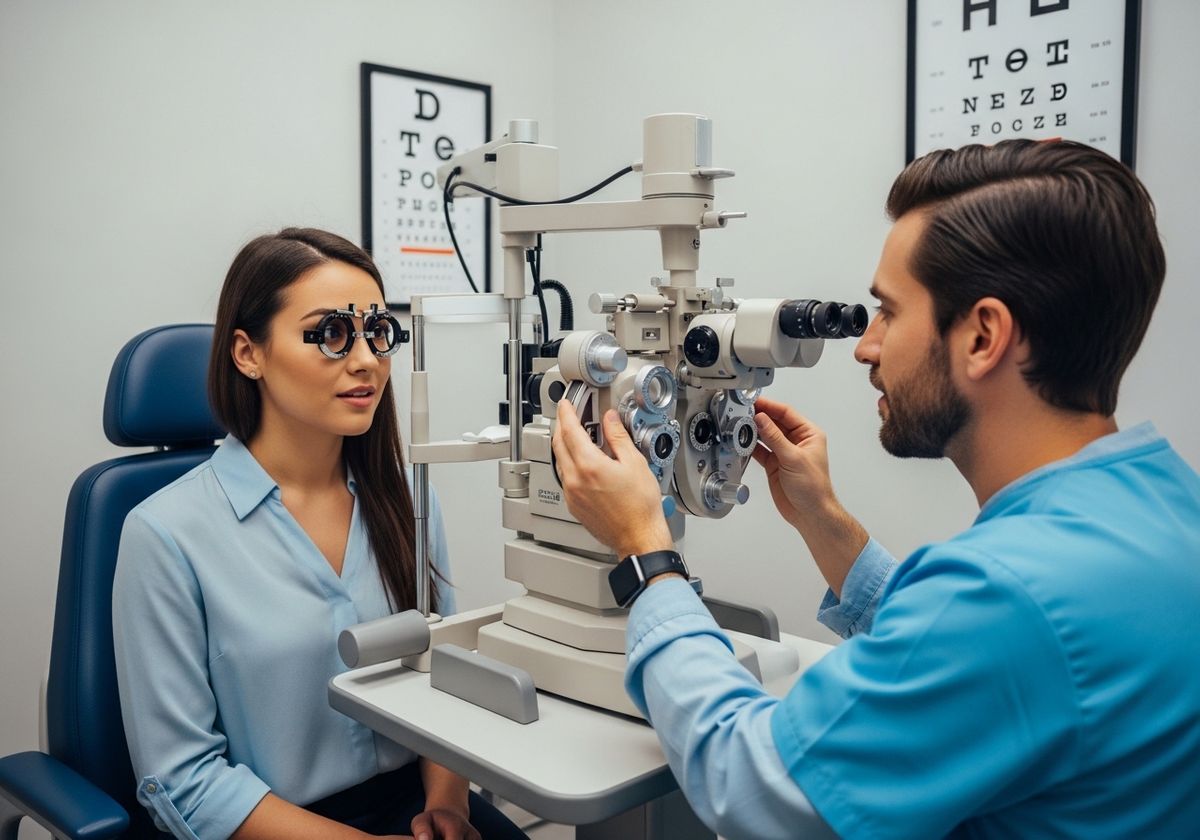
Embarking on your first eye exam is a significant step toward maintaining your overall health and well-being. At Look Eye Care, we understand that new experiences can sometimes be daunting, so we've created this guide to help you know what to expect during your initial visit. Our goal is to ensure you feel comfortable and informed every step of the way, reflecting our commitment to providing specialized eye care with a boutique neighborhood feel.
Pre-Exam Preparations
Before you arrive, it's helpful to gather some information. Be prepared to discuss your medical history, including any existing health conditions, medications you’re taking, and your family's history of eye diseases like glaucoma. If you currently wear glasses or contacts, bring them along so your eye doctor can assess their effectiveness. It's also beneficial to note any specific vision problems you've been experiencing, such as blurry eye, eye irritation relief needed, or difficulty seeing at night.
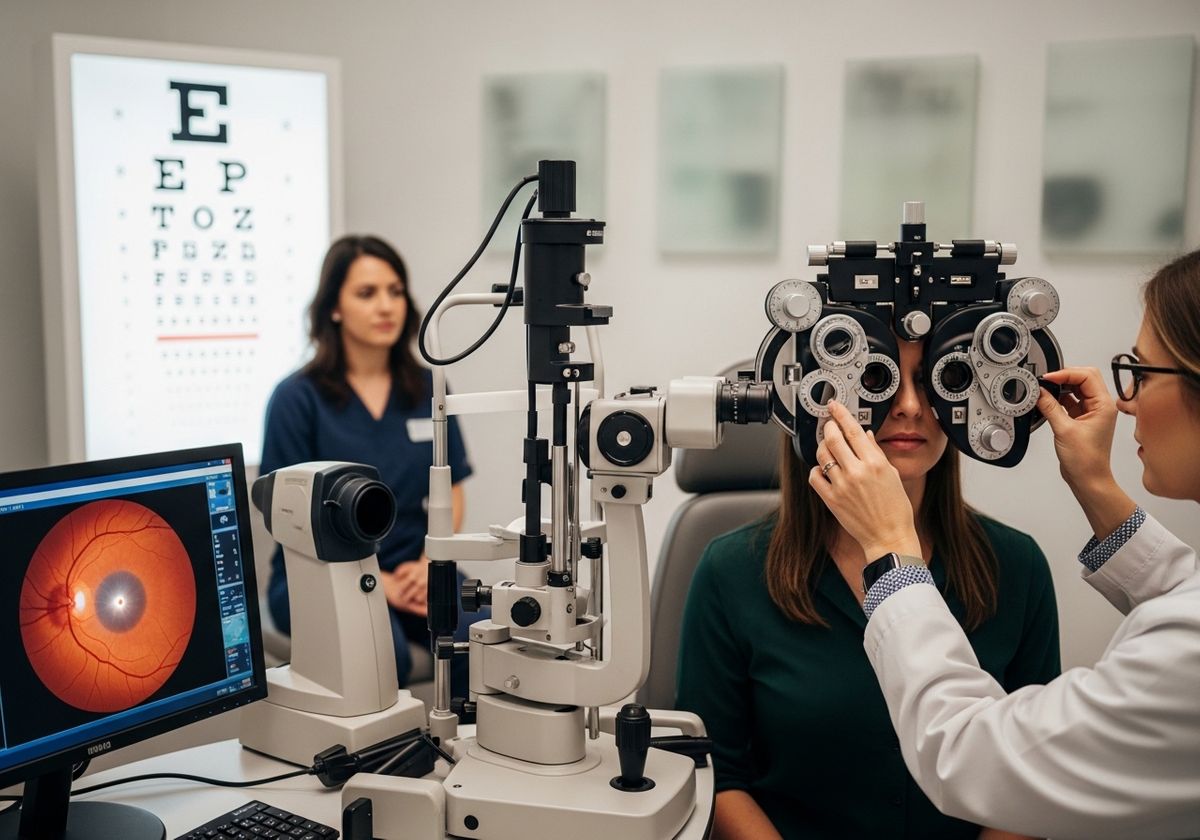
The Comprehensive Eye Exam Process
Your eye exam will consist of several tests designed to evaluate your vision and eye health comprehensively:
Visual Acuity Tests: These tests use an eye chart to measure how well you can see at various distances. This is a standard part of determining your prescription.
Refraction: This part of the exam determines your exact prescription for glasses or contacts. The eye doctor will use an instrument called a phoropter and ask you to compare different lens options to find the one that provides the clearest vision.
Eye Movement and Coordination Tests: These tests assess how well your eyes work together. They help identify any issues with eye alignment or movement control.
Slit-Lamp Examination: A slit-lamp is a special microscope that allows your eye doctor to examine the structures of your eye up close. This helps in detecting any abnormalities or signs of disease, such as cataracts or dry eye.
Tonometry: This test measures the pressure inside your eye. It’s an important screening tool for glaucoma, a condition that can damage the optic nerve and lead to vision loss.
Retinal Examination: During this part of the exam, your eye doctor will use special lenses to view the retina, optic nerve, and blood vessels in the back of your eye. This helps in detecting conditions like macular degeneration, diabetic retinopathy, and glaucoma. Sometimes, eye drops are used to dilate your pupils for a better view.
Specialized Pediatric Eye Care
For our younger patients, Look Eye Care offers specialized pediatric optometrist services. Pediatric eye exams are tailored to assess a child's unique visual needs, including:
Vision Screening: Checking for common vision problems like nearsightedness, farsightedness, and astigmatism.
Eye Alignment and Movement Testing: Ensuring the eyes are working together correctly, which is crucial for depth perception and preventing double vision.
Eye Health Evaluation: Examining the overall health of the eyes to detect any signs of congenital or developmental issues.
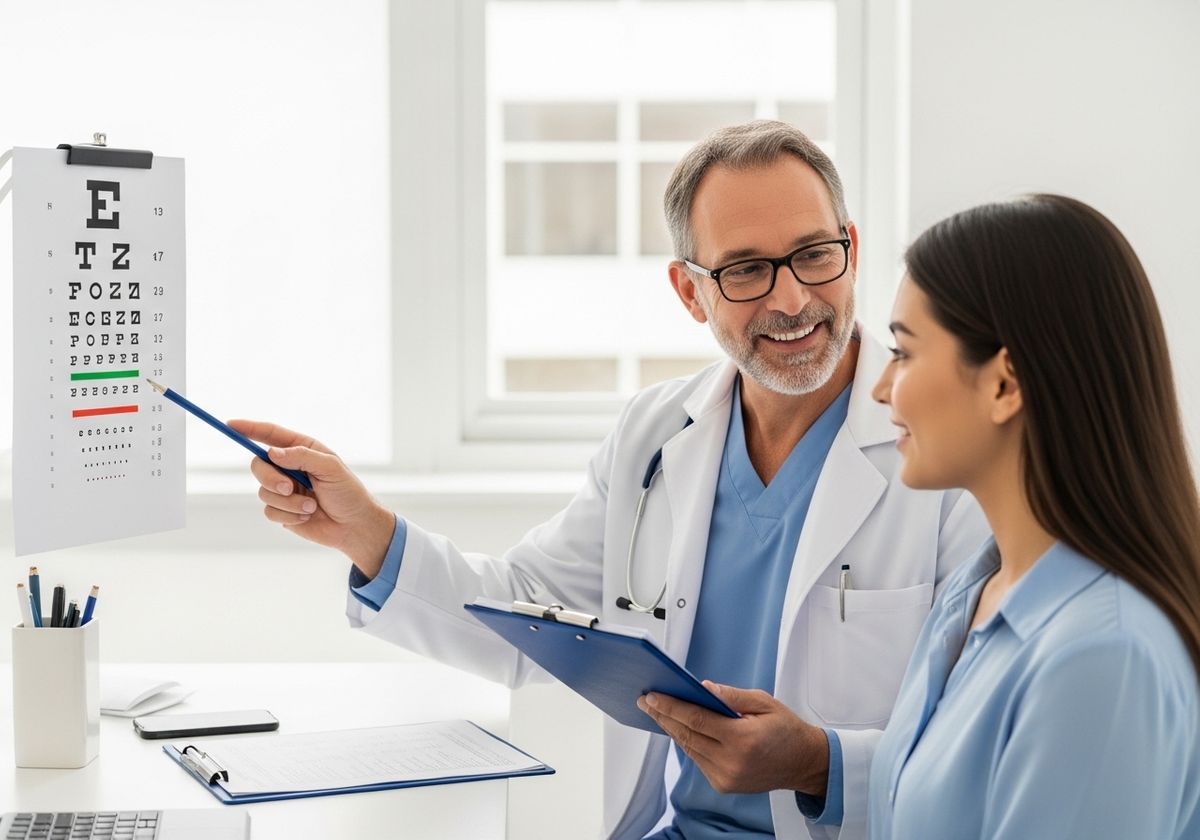
Post-Exam Consultation
After the examination, your eye doctor will discuss the results with you. They will explain your current vision status, any concerns or conditions detected, and recommend appropriate treatment options. This may include prescribing glasses or contacts, recommending eye exercises, or discussing medical treatments or procedures. This is an excellent time to ask any questions you may have and to discuss a plan for maintaining your eye health.
Understanding what to expect during your first eye exam can alleviate anxiety and help you feel more prepared. Regular eye exams are essential for maintaining good vision and detecting potential eye problems early. At Look Eye Care, we are dedicated to providing expert clinical results with a personal touch, ensuring the long-term ocular health of you and your family. Schedule your comprehensive eye exam with us today and experience the difference our specialized, medical-grade eye care can make. Look And See Your Best!